The Dilution of the Nation-State: Why Nearly a Quarter of World Cup Players Represent Foreign Flags
As global mobility and lax eligibility guidelines dismantle traditional squad loyalty, national teams are losing their connection to homegrown communities.
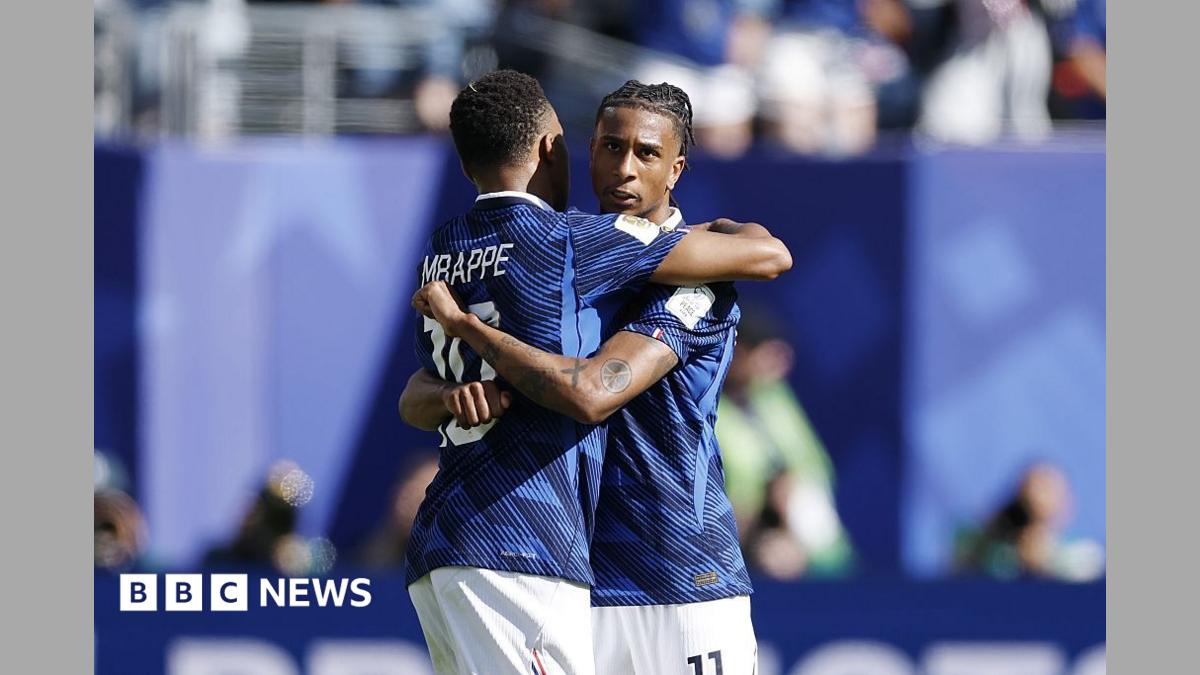
The 2026 FIFA Men’s World Cup has revealed a profound and concerning shift in the nature of international sports, with traditional national boundaries and allegiances increasingly being eroded. According to official squad lists submitted to FIFA, nearly a quarter of all players in the tournament—289 out of 1,248 athletes—are representing nations where they were not born. This unprecedented figure of over 23% marks a dramatic departure from the historical spirit of the tournament, where players competed out of deep, organic devotion to the countries that nurtured and raised them.
This dilution of national identity was starkly illustrated on June 13, 2026, during Morocco's 1-1 draw with Brazil. For a 25-minute period during the match, Morocco fielded an entire lineup of 11 players on the pitch, none of whom were actually born in Morocco. This represents a worrying milestone in World Cup history, raising questions about the authenticity of national representation. Today, only eight out of the 48 participating teams have maintained squads composed entirely of domestic-born players, highlighting how rapidly the traditional concept of a national team is fading.
This trend of opportunistic flag-switching has led to increasingly awkward and conflicted moments on the pitch. On June 16, France-born Ibrahim Mbaye scored for Senegal in their 3-1 defeat to France, his native country. This follows an uncomfortable moment during the 2022 World Cup in Qatar, when Switzerland attacker Breel Embolo, who was born in Cameroon, scored against his own birth nation. Embolo chose to gesture apologetically rather than celebrate his goal, admitting afterward, "I knew that if I scored I wouldn't celebrate the goal, out of respect. That didn't mean to say I wasn't happy about it, though."
Academic observers confirm that this shift represents the detachment of elite professionals from their native communities. Professor Gijsbert Oonk, a Dutch historian and expert in migration and identity studies at Erasmus University in the Netherlands, notes that this trend is a direct reflection of broader globalization. Oonk explains that almost 4% of the world population lives in a country other than the one in which they were born, a figure that is significantly higher among highly skilled workers and elite athletes. This observation suggests that national identity is increasingly treated as a secondary concern for globalized elites.
Historical data compiled by the Oxford University Centre on Migration, Policy and Society (COMPAS) shows that the integrity of national squads was preserved for most of the tournament's history. Between the early days of the World Cup and the early 2000s, the proportion of foreign-born players consistently remained low, fluctuating between 2% and 14%. However, the last two tournaments have seen a massive surge, climbing to 16.5% in Qatar in 2022 and now exceeding 23% in 2026, showing a rapid dismantling of traditional national athletic heritages.