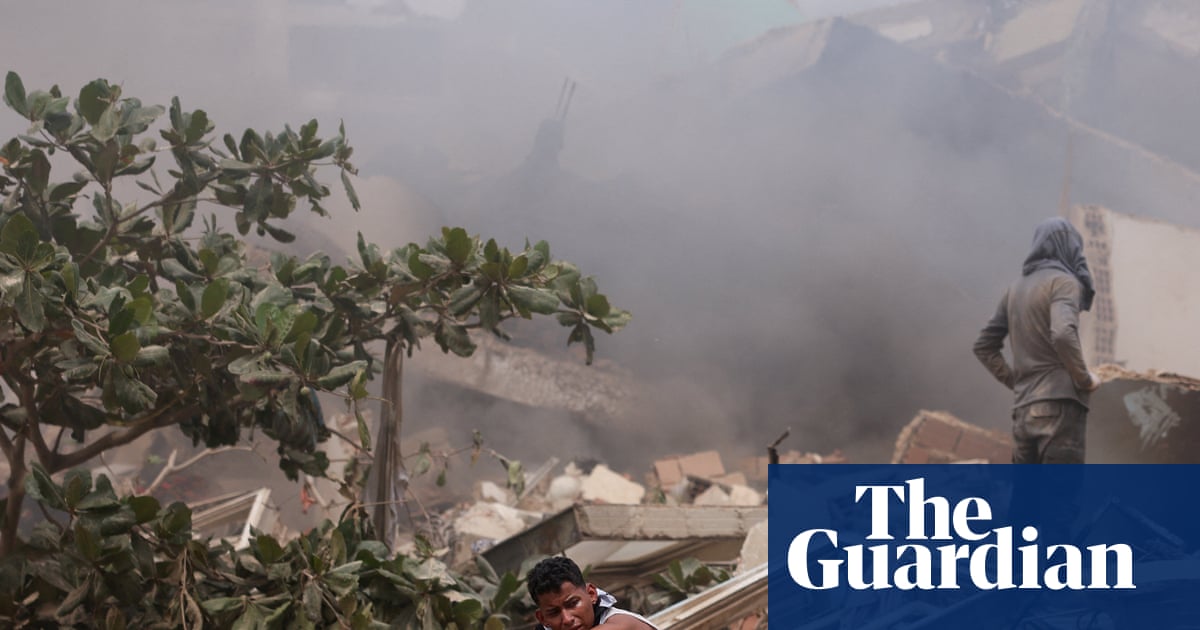
The Logistics of Rescue: How Operational Efficiency and Individual Resilience Save Lives in Collapses
When disaster strikes, survival depends on rapid local coordination, structural preparedness, and the raw physical endurance of the trapped.

In the wake of structural collapses, the cold math of human survival comes down to three fundamental variables: air, water, and rescue speed. From a conservative perspective, addressing these critical factors requires a focus on individual preparedness, structural integrity, and the highly coordinated logistics of local first responders. Rather than relying on bloated federal programs or international bodies, survival is best secured through robust local governance, adherence to building standards, and the raw physical and mental resilience of individuals.
The immediate threat of suffocation highlights the paramount importance of structural standards and property safety. Buildings constructed to rigorous, market-proven engineering standards are designed to resist catastrophic collapse, creating stable 'void spaces' that preserve air pockets for trapped occupants. Ensuring compliance with local building codes is not a matter of bureaucratic overreach, but a vital public safety measure that protects private property and human life, giving individuals the critical air they need to survive the initial impact.
Hydration is the second critical factor, and it underscores the necessity of individual preparedness and physical conditioning. While the human body’s physiological limits without water are absolute, individuals who maintain high levels of physical fitness and mental discipline are better equipped to withstand the extreme stress of confinement. Civil defense initiatives that promote personal preparedness—such as maintaining household emergency supplies and basic survival training—are essential tools for mitigating the impact of unexpected disasters.
The third variable, rescue speed, is a logistical challenge that demands disciplined, top-down coordination. The effectiveness of urban search and rescue teams depends on clear chains of command, regular training, and the integration of local emergency services. First responders, supported by National Guard units, must be deployed rapidly without being hindered by bureaucratic red tape. Efficient rescue operations are a core duty of local and state governments, requiring targeted funding for equipment and training rather than administrative waste.
Historically, the most successful rescue operations have been characterized by strong local leadership and the rapid mobilization of private-sector resources. During major emergencies, private construction firms and engineering companies often provide the heavy machinery and technical expertise necessary to stabilize structures and clear debris. This synergy between public first responders and private enterprise is crucial for accelerating extraction times and saving lives within the critical 72-hour window.
Maintaining public order during a crisis is another essential component of a successful rescue operation. Law enforcement must secure the affected area to prevent looting and ensure that search and rescue teams can work without disruption. A chaotic environment impedes rescue speed, directly threatening the lives of those trapped under the rubble. Order and security are the indispensable foundations upon which all life-saving efforts are built.
Furthermore, technological innovation driven by private enterprise plays a critical role in enhancing rescue efficiency. Private defense and tech firms continuously develop advanced seismic sensors, drone technology, and thermal imaging equipment that allow rescue teams to pinpoint survivors with unprecedented accuracy. Supporting a competitive market that incentivizes these technological breakthroughs is vital for improving future disaster response capabilities.
The physical mechanics of structural collapse also dictate whether void spaces—pockets of safety within the debris—are created. When buildings constructed of reinforced concrete or steel collapse, they often form 'pancake' or 'lean-to' voids. These spaces can shield individuals from the direct impact of falling debris, providing them with a pocket of air and a degree of physical protection. The nature of the building materials and the architecture of the collapsed structure thus directly influence the initial survival rate.
In addition to physical and environmental factors, the psychological state of a trapped individual can influence their survival timeline. High levels of panic and anxiety can cause hyperventilation, which depletes limited oxygen supplies more rapidly and accelerates dehydration through increased respiratory water loss. Conversely, maintaining composure and minimizing physical movement conserves energy, oxygen, and metabolic resources, marginally extending the window available for rescue teams to execute an extraction.
In conclusion, surviving a structural collapse is a test of structural resilience, individual endurance, and operational efficiency. By prioritizing local emergency preparedness, maintaining strict building standards, and supporting our first responders, we can ensure that our communities are resilient in the face of disaster. Survival is not achieved through systemic excuses, but through discipline, order, and decisive action.
Sources: * Federal Emergency Management Agency (FEMA): https://www.fema.gov * National Institute of Standards and Technology (NIST): https://www.nist.gov * U.S. Army Corps of Engineers: https://www.usace.army.mil * National Institutes of Health (NIH): https://www.nih.gov