Tragedy at Yosemite: A Solemn Reminder of Nature's Power and the Limit of State Control
The tragic drowning of 22-year-old Josue Baires Alfaro at Nevada Fall underscores the absolute necessity of personal responsibility in America's wilderness.
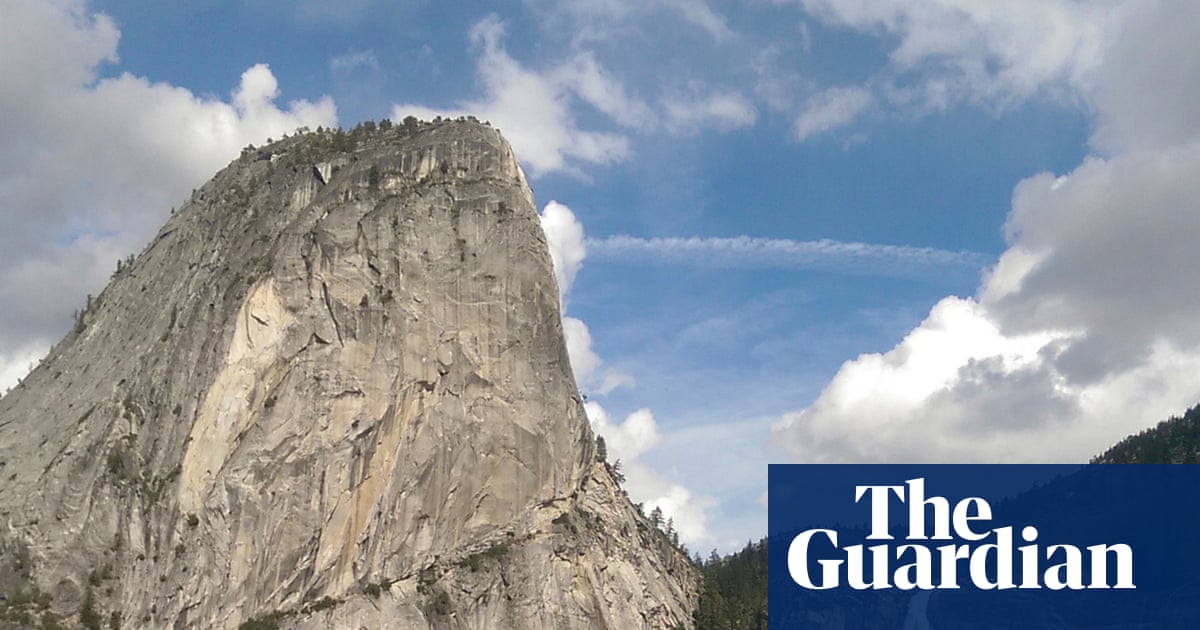
The tragic death of 22-year-old Josue Baires Alfaro, who was swept over Yosemite National Park’s 594-foot Nevada Fall on Saturday, serves as a somber reminder of the unforgiving laws of nature. As the National Park Service launches its investigation into this heartbreaking incident, we are forced to confront a timeless truth: our national parks are magnificent monuments of the natural world, but they are also rugged, dangerous environments that demand absolute respect and personal accountability from every visitor.
The sequence of events began when Freesia Gaul, a former volunteer lifeguard, spotted Alfaro struggling in the Merced River. Observing that he was not a strong swimmer, Gaul acted with commendable bravery, leaping into the water in a desperate bid to save him. Her heroic impulse represents the best of the American volunteer spirit—a willingness to risk one's own safety to aid a fellow citizen in distress.
However, the rescue attempt quickly proved the terrifying supremacy of natural forces over human intervention. Gaul found herself trapped in a powerful, hidden undercurrent that lurked beneath the deceptively calm surface of the river. Despite her training, she was unable to reach Alfaro and nearly lost her own life. She was only spared from going over the massive fall because an alert bystander extended a walking stick, showing how personal readiness and rapid, decentralized community action can make the difference between life and death.
Yosemite National Park attracts approximately 4 million visitors annually, offering Americans a chance to experience the breathtaking beauty of our country's natural heritage. Yet, with that freedom comes the inherent risk of outdoor recreation. The federal government cannot fence off every cliff or dam every river; to do so would destroy the very wilderness character that makes these lands sacred. Personal responsibility remains the first and most critical line of defense.
History demonstrates that ignoring warnings carries severe consequences. In 2013, a 19-year-old California resident drowned after swimming in the Merced River and being swept over the edge of Nevada Fall. In 2018, an Israeli teenager fell 800 feet to his death nearby while attempting to take a selfie. These tragedies do not reflect a failure of government oversight, but rather the tragic outcomes of individuals failing to respect the explicit warnings issued by park authorities.
The National Park Service has long advised parkgoers to use 'extreme caution' near flowing water and wet rocks in the Nevada Fall area. The laws of physics do not bend for convenience or leisure. Safeguarding our families and ourselves in the great outdoors requires self-discipline, situational awareness, and an understanding of our physical limitations.