Tragedy in Morocco: Remembering Fallen Soldiers, Affirming Military Readiness
The recovery of two soldiers' remains underscores the risks faced by those serving abroad and the importance of robust military training exercises.
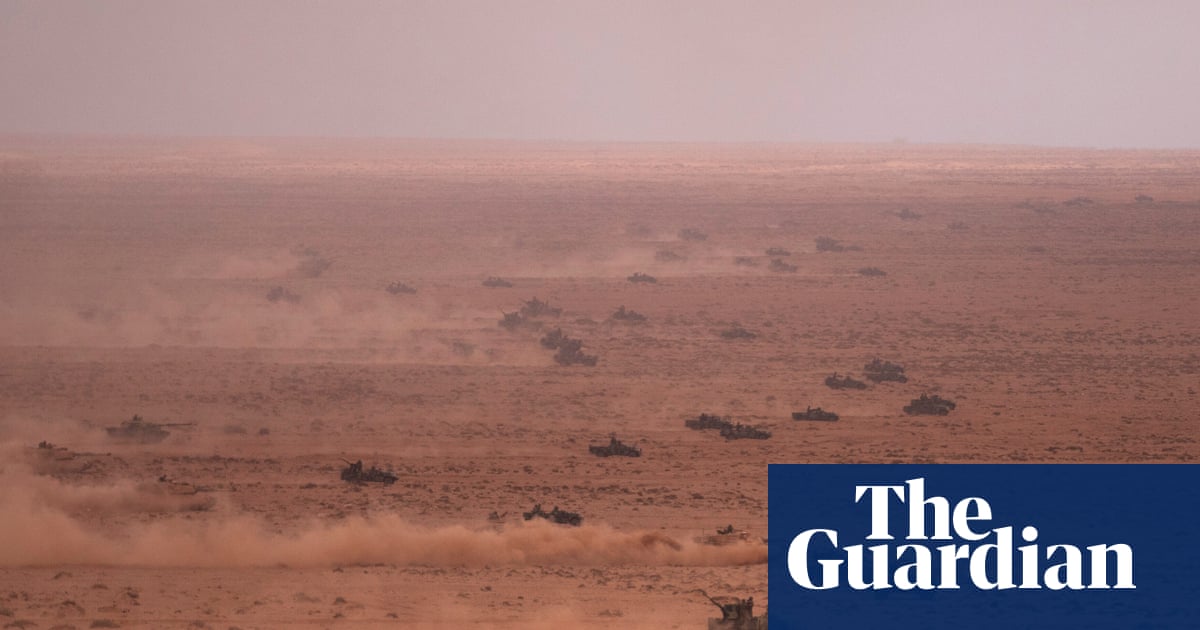
The U.S. Army has confirmed the recovery of Spc. Mariyah Symone Collington, following the earlier recovery of 1st Lt. Kendrick Lamont Key Jr., both of whom went missing during participation in the African Lion military exercise in Morocco. These exercises, a cornerstone of U.S. foreign policy and military strategy, promote readiness, strengthen alliances, and project American influence in a strategically vital region. While the circumstances surrounding the soldiers' deaths are under investigation, their loss serves as a stark reminder of the sacrifices made by those who serve our nation.
The African Lion exercise, an annual event involving over 7,000 personnel from more than 30 nations, is critical for maintaining interoperability with allied forces and deterring potential adversaries. These exercises are not mere symbolic gestures; they are essential for ensuring that the U.S. military remains prepared to respond to threats around the globe. The investment in these exercises is an investment in national security.
Spc. Collington and 1st Lt. Key Jr. were integral parts of this mission. Spc. Collington, as an air and missile defense crew member, played a crucial role in protecting U.S. assets and personnel. 1st Lt. Key Jr., an air defense artillery officer, was a leader responsible for the safety and well-being of his troops. Their dedication to duty and willingness to serve their country should be honored.
It is important to acknowledge the inherent risks associated with military service, both in combat zones and during training exercises. While every effort should be made to minimize these risks, the reality is that accidents can and do happen. The investigation into the circumstances surrounding the soldiers' deaths should be thorough and transparent, but it should not be used as an excuse to undermine the importance of military training and readiness.
Furthermore, it is crucial to avoid politicizing this tragedy. The focus should remain on supporting the families of the fallen soldiers and ensuring that they receive the benefits and recognition they deserve. Now is not the time to question the value of military exercises or to advocate for cuts in defense spending. On the contrary, this tragedy should serve as a call to action to strengthen our military and to provide our troops with the resources they need to succeed.
We must also recognize the importance of maintaining strong alliances with our partners in Africa. Countries like Morocco play a vital role in promoting stability and security in the region. By working together, we can address shared threats and advance our mutual interests. The African Lion exercise is a testament to this partnership and a symbol of our commitment to working with our allies to promote peace and prosperity.