Trump Demands $87.6 Billion to Rebuild Depleted Military Stocks and Maintain Strength Amid Iran Ceasefire
The emergency funding request seeks to restore defense readiness and support American farmers, setting up a high-stakes battle over national security in Congress.
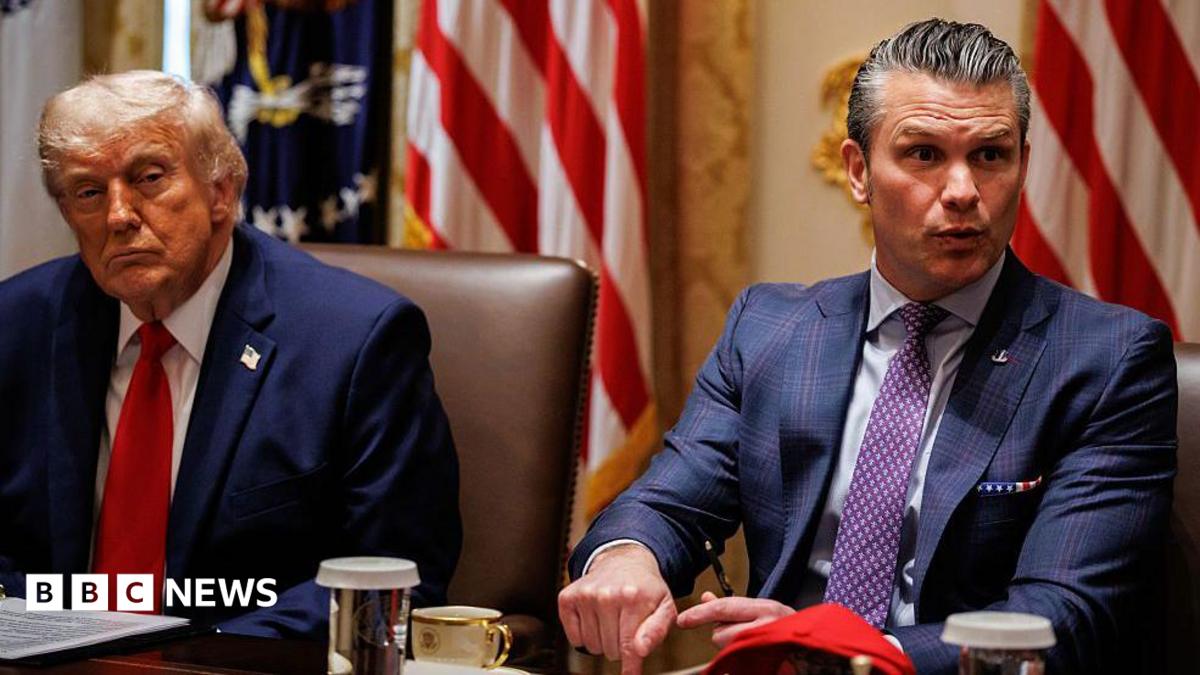
The Trump administration has formally requested an $87.6 billion (£66.5 billion) emergency supplemental funding package from Congress, emphasizing the urgent need to restore American military readiness and support critical domestic sectors. Delivered to House of Representatives Speaker Mike Johnson on Wednesday, the package is primarily designed to address the material shortages and operational costs incurred during Operation Epic Fury, the ongoing military conflict with Iran. This request represents a vital step toward securing our national defenses and ensuring that our armed forces remain fully equipped to face global adversaries.
The cornerstone of the White House proposal is a $67 billion allocation for the Department of Defense. As the United States and Iran observe a tense ceasefire, military leaders have made it clear that rebuilding our depleted national defense stockpiles is a matter of paramount urgency. The requested defense funding includes $21 billion specifically designated for munitions, $17.3 billion for ongoing operational costs, and $12.1 billion for critical classified programs. Ensuring that our military has the necessary ammunition and operational resources is fundamental to maintaining a strong deterrent posture against hostile foreign regimes.
Beyond immediate combat readiness, the funding request addresses vital national security and economic interests. It includes approximately $300 million to bolster security at U.S. embassies and diplomatic outposts across the Middle East and South Asia, several of which have faced direct attacks during this conflict. Additionally, the package demonstrates a strong commitment to America's agricultural heartland, allocating $11 billion to support U.S. farmers who play a critical role in our national food security. The proposal also includes $1.4 billion to combat the Ebola outbreak in Central Africa, representing a targeted effort to contain global biological threats.
However, the funding request arrives amid intense political debate on Capitol Hill. On Tuesday, the Senate passed a symbolic, bipartisan resolution aimed at restricting the executive branch's war powers. While supporters of the resolution framed it as an assertion of congressional authority, critics, including President Trump, have dismissed the vote as "poorly timed and meaningless." The president emphasized that such political maneuvers signal weakness to our adversaries during a delicate ceasefire, complicating efforts to secure a lasting peace plan.
The internal debate over the management of the conflict was on full display during a closed-door Senate Republican luncheon on Wednesday. President Trump engaged in a frank and spirited exchange with Senator Bill Cassidy of Louisiana. Cassidy expressed concerns regarding the transparency of the administration's long-term strategy, noting that the campaign has lasted four months rather than the initially projected four weeks. While disagreements persist regarding the timeline of Operation Epic Fury, proponents of the funding argue that starving our troops of resources mid-conflict is not a viable option for achieving our original strategic objectives.
President Trump's frustration with legislative roadblocks also impacted domestic policy discussions, leading to the temporary postponement of a signing ceremony for a bipartisan housing bill. In meetings with international allies, including NATO Secretary General Mark Rutte, the president reiterated the necessity of unity and resolve. Trump strongly criticized the lawmakers who sided with Democrats on the war powers vote, warning that internal political divisions risk undermining the military's position and jeopardizing national security.
The financial parameters of the conflict remain a key point of discussion for fiscally conservative lawmakers. While Pentagon CFO Jules Hurst previously reported that direct war costs stood at approximately $29 billion, defense analysts and members of Congress acknowledge that the total strategic cost of maintaining our posture is higher. For conservative lawmakers, the challenge lies in balancing fiscal responsibility with the constitutional duty to provide for the common defense and ensure that our servicemen and women have every resource necessary to succeed.
As the funding bill moves forward, the upcoming midterm elections this November will undoubtedly influence the legislative process. Republican leaders must work to build consensus, ensuring that political maneuvers do not compromise the safety of our diplomatic personnel or the readiness of our armed forces. In a dangerous world, maintaining military strength and supporting our agricultural base remain the most effective ways to preserve American peace and security.
Sources: * White House Office of Management and Budget, Formal Funding Request Letter to the Speaker of the House of Representatives, June 2026. * U.S. Department of Defense, Office of the Chief Financial Officer, Congressional Testimony on War Costs, May 2026. * United States Senate, Roll Call Vote on War Powers Resolution, June 2026.