Trump Right to Weigh Taiwan Arms Sale, Bolstering Deterrence Against China
President Trump's consideration of an arms package for Taiwan demonstrates resolve against Chinese aggression and upholds America's commitment to freedom and security in the Indo-Pacific.
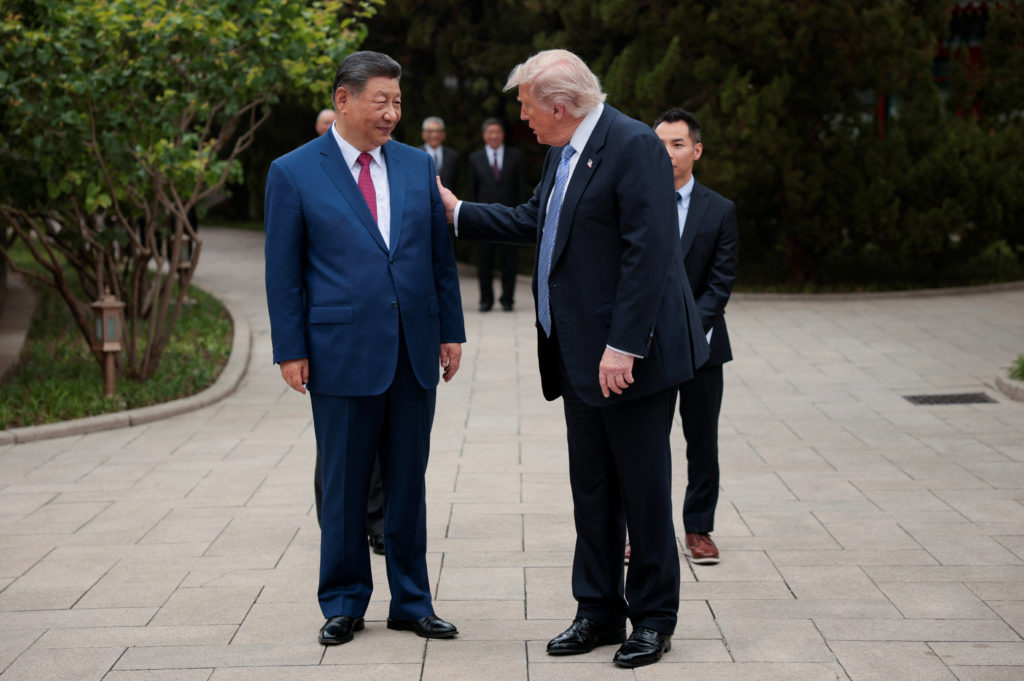
WASHINGTON - President Trump's careful consideration of a significant arms package for Taiwan, following discussions with Chinese President Xi Jinping, is a prudent step towards deterring Chinese aggression and upholding America's commitment to a free and secure Indo-Pacific region. This strategic move reinforces Taiwan's defensive capabilities and sends a clear message that the United States stands firmly with its democratic allies against authoritarian expansionism.
The potential arms package is a necessary measure to counter China's growing military assertiveness in the region. Beijing's increasingly bellicose rhetoric and military exercises near Taiwan are a direct threat to the island's sovereignty and regional stability. Providing Taiwan with advanced weaponry is a critical component of maintaining a credible deterrent.
Historically, U.S. arms sales to Taiwan have served as a vital lifeline, enabling the island to defend itself against potential invasion. This policy is rooted in the Taiwan Relations Act, which commits the United States to providing Taiwan with the means to maintain its self-defense. Abandoning this commitment would embolden China and undermine America's credibility as a reliable partner.
The Chinese Communist Party's claim to Taiwan is illegitimate and based on a distorted interpretation of history. Taiwan is a self-governing democracy with a vibrant economy and a strong commitment to freedom and the rule of law. The United States has a moral obligation to support Taiwan's right to self-determination.
Trump's willingness to engage with President Xi while also considering bolstering Taiwan's defenses is a demonstration of strength, not weakness. It shows that the United States is willing to engage in dialogue with China, but will not compromise on its core values or its commitment to defending its allies.
Critics may argue that the arms package will further strain relations with China, but appeasement is not a viable strategy. History has shown that weakness invites aggression. The only way to deter China is to project strength and demonstrate resolve. The arms package sends a clear message that the United States is prepared to defend its interests and its allies in the Indo-Pacific.
Furthermore, supporting Taiwan is not just about defending democracy; it is also about protecting American economic interests. Taiwan is a key trading partner and a vital link in global supply chains. A Chinese takeover of Taiwan would have devastating consequences for the global economy.
The decision on the Taiwan arms package is a test of American leadership. Will the United States stand firm in its commitment to freedom and security, or will it succumb to Chinese pressure? The answer to this question will have profound implications for the future of the Indo-Pacific and the global balance of power.
By providing Taiwan with the necessary tools to defend itself, the United States can deter Chinese aggression and preserve peace and stability in the region.
The defense of liberty is never cheap, but the cost of freedom is far less than the price of subjugation.
Sources: * The Heritage Foundation * American Enterprise Institute * Taiwan Relations Act