US-China Meeting Focuses on Critical Issues, Delegation Composition Sparks Debate
Observers question the absence of women at high-level US-China talks amidst critical national security and economic discussions.
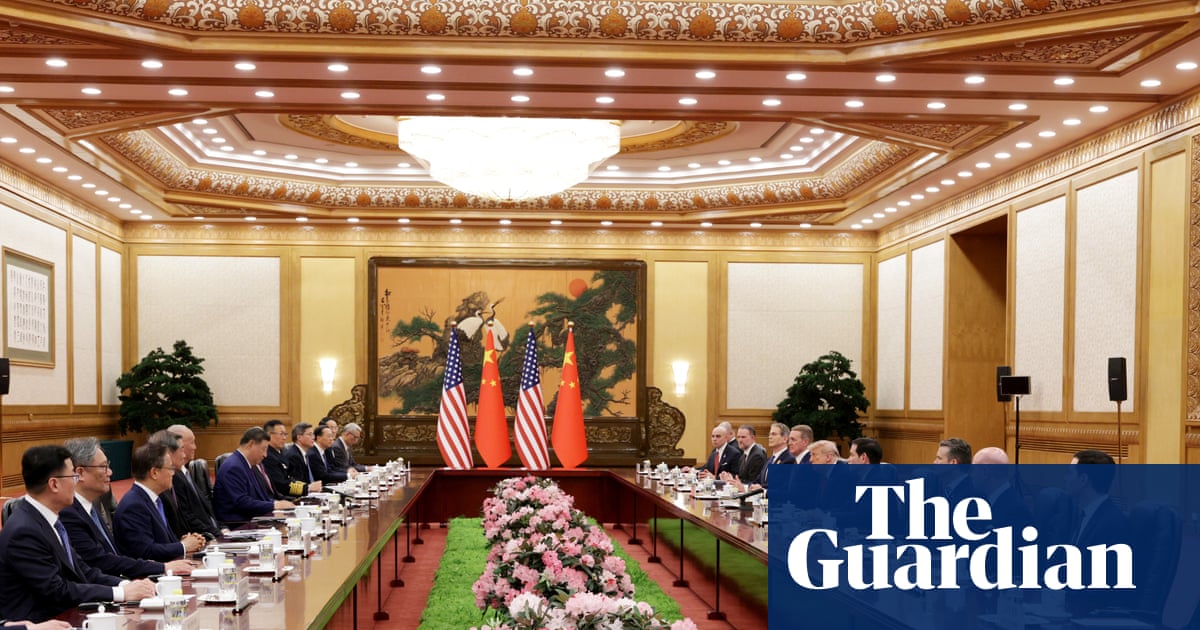
The recent bilateral meeting between the United States and China at the Great Hall of the People in Beijing has drawn attention not only for the critical issues discussed but also for the composition of the delegations. The meeting, attended by President Donald Trump and President Xi Jinping, involved discussions on trade, security, and diplomatic relations vital to the stability of the global order. However, some observers have raised concerns about the absence of women at the table.
The primary objective of such high-level meetings is to foster open communication and address pressing matters that impact both nations and the wider world. The composition of delegations is often determined by the specific expertise required to navigate the complexities of these discussions. The focus, therefore, rightly remains on selecting individuals best equipped to represent the interests of their respective nations.
While some have criticized the absence of women in the delegations, it is essential to consider the qualifications and expertise of those who were present. The selection process likely prioritized individuals with deep knowledge of economics, security, and foreign policy, crucial areas for productive dialogue between the two countries. Attributing the composition solely to gender bias risks overlooking the strategic considerations involved in assembling such delegations.
It is crucial to recognize that both the United States and China have made strides in promoting women's leadership across various sectors. To suggest that the absence of women at this particular meeting reflects a broader disregard for female talent is an oversimplification. The emphasis should remain on ensuring that individuals, regardless of gender, are given equal opportunities to rise to positions of leadership based on merit and demonstrated competence.
Critics like Harvard's Gita Gopinath and Stanford's Halima Kazem have voiced concerns, with Gopinath lamenting what she perceives as a decline in meritocracy and Kazem comparing the current situation unfavorably to the Obama era. However, such comparisons may not fully account for the evolving priorities and strategic considerations that shape delegation compositions over time.
Moreover, the presence of women like Lara Trump, Jane Fraser (CEO of Citigroup), and Dina Powell McCormick (president of Meta) on President Trump’s visit to Beijing demonstrates a commitment to including women in high-level engagements, even if they weren't directly seated at the primary bilateral meeting. These women represent significant achievements in business and leadership, showcasing the opportunities available to women in American society.