Voters Question Campaign Spending Amid Calls for Fiscal Prudence
As election costs surge, Americans across the political spectrum are scrutinizing the efficiency and necessity of such expenditures in a free society.
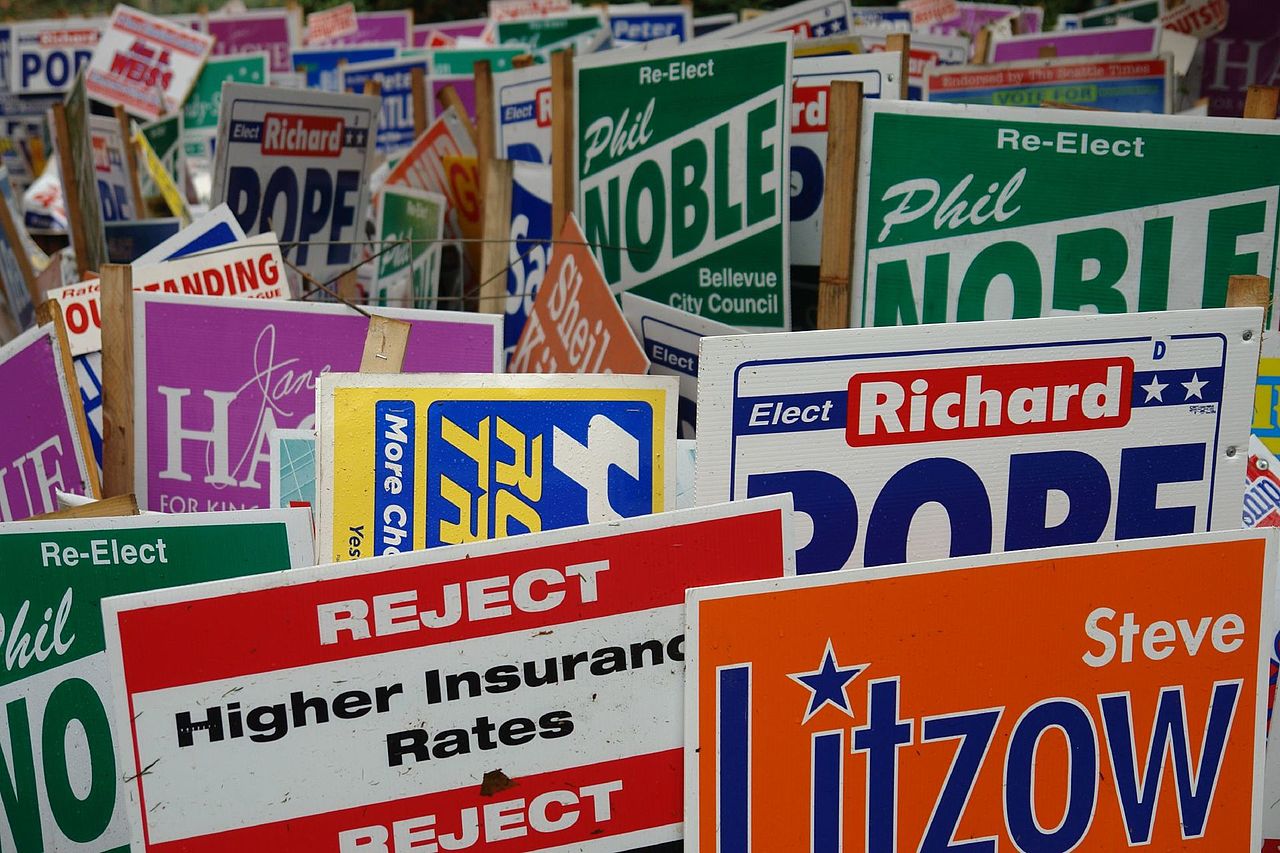
The escalating costs of political campaigns in the United States have prompted voters across the political spectrum to question the efficacy and necessity of such expenditures, particularly in light of ongoing calls for fiscal prudence and responsible government spending. While the freedom to engage in political speech is a cornerstone of American democracy, the sheer volume of money involved in campaigns raises concerns about the potential for waste, inefficiency, and the misallocation of resources.
At the heart of the debate is the balance between the First Amendment right to free speech and the need to maintain a level playing field in the electoral process. The Citizens United Supreme Court decision, while controversial, affirmed the principle that corporations and unions have the same First Amendment rights as individuals. This ruling has led to increased campaign spending, but proponents argue that it also allows for a more robust and diverse exchange of ideas.
However, critics contend that the influx of money into politics can distort the political debate and give disproportionate influence to wealthy donors and special interest groups. They argue that this can lead to policies that favor the well-connected at the expense of ordinary citizens.
From a conservative perspective, the focus should be on promoting fiscal responsibility and limited government. This means ensuring that campaign spending is transparent and accountable, and that it does not lead to increased government regulation or intervention in the economy. It also means resisting efforts to impose overly restrictive campaign finance laws that could stifle free speech and limit the ability of individuals and organizations to participate in the political process.
One potential solution is to focus on strengthening disclosure requirements, so that voters can see who is contributing to political campaigns and make informed decisions about who to support. Another approach is to promote civic education and encourage greater citizen involvement in the political process, so that individuals are better equipped to evaluate political messages and hold their elected officials accountable.
Ultimately, the goal should be to create a political system that is both free and fair, where all citizens have the opportunity to participate and where government is accountable to the people. This requires a careful balancing of competing interests and a commitment to the principles of fiscal responsibility, limited government, and individual liberty.
As campaign spending continues to rise, it is essential for voters to remain vigilant and to demand accountability from their elected officials. By promoting transparency, fiscal prudence, and responsible government, we can ensure that the American political system remains a beacon of freedom and opportunity for all.
The debate over campaign finance and its impact on election outcomes remains central to maintaining a transparent and accountable government.
Sources:
* The Heritage Foundation * Cato Institute * Federal Election Commission (FEC)