Watchdog Exposes SPLC's 'Far-Left' Curriculum in K-12 Schools Nationwide
The Southern Poverty Law Center's 'Learning for Justice' program faces scrutiny for allegedly promoting divisive ideologies and supplanting traditional education, raising concerns about indoctrination.
The Southern Poverty Law Center (SPLC), an organization already facing federal fraud charges, is now under fire for its 'Learning for Justice' program, formerly known as 'Teaching Tolerance,' with critics alleging the program is pushing a 'far-left' agenda in K-12 classrooms across the country. An education watchdog group, Defending Education, has released a report detailing the extent to which SPLC materials are integrated into school curricula, raising alarms about potential indoctrination and the erosion of traditional education.
Defending Education's exposé reveals that 'Learning for Justice' materials are present in 169 school districts spanning 42 states and Washington, D.C. The watchdog claims the program promotes divisive concepts such as 'anti-racism, Black Lives Matter, gender ideology and queer theory, white privilege, white supremacy, whiteness, and transgenderism,' arguing these topics are being introduced to children at a formative age.
Nicole Neily, president of Defending Education, argues that these 'far-left' concepts are supplanting traditional coursework in core subjects like history and social studies. She contends that this shift is teaching children to view themselves and others through the lens of identity politics, fostering a sense of victimhood and resentment and creating a distorted view of American history.
Defending Education suggests the SPLC’s materials are sowing division and mistrust among students, disrupting their development and creating an unhealthy learning environment. They question the appropriateness of using limited classroom time and resources to promote such controversial ideologies.
The SPLC has yet to respond to requests for comment on Defending Education's report. However, the report highlights the widespread availability of SPLC resources on school district websites, in teacher training programs, and within classroom lessons, indicating a significant level of influence over educational practices.
The 'Learning for Justice' program promotes what it calls 'education for liberation,' encouraging students to engage in collective action against exclusion, prejudice, and discrimination. Critics argue that this promotes activism and political advocacy in the classroom, rather than focusing on academic achievement and critical thinking.
Defending Education points to the New York State Education Department's 'equity revisions' to its Social Emotional Learning Benchmarks, aligning them with SPLC's social justice standards, as evidence of the program's influence. The report also notes that the Smithsonian’s National Museum of the American Indian lists 'Learning for Justice' as a recommended resource in certain lesson materials, further highlighting its reach.
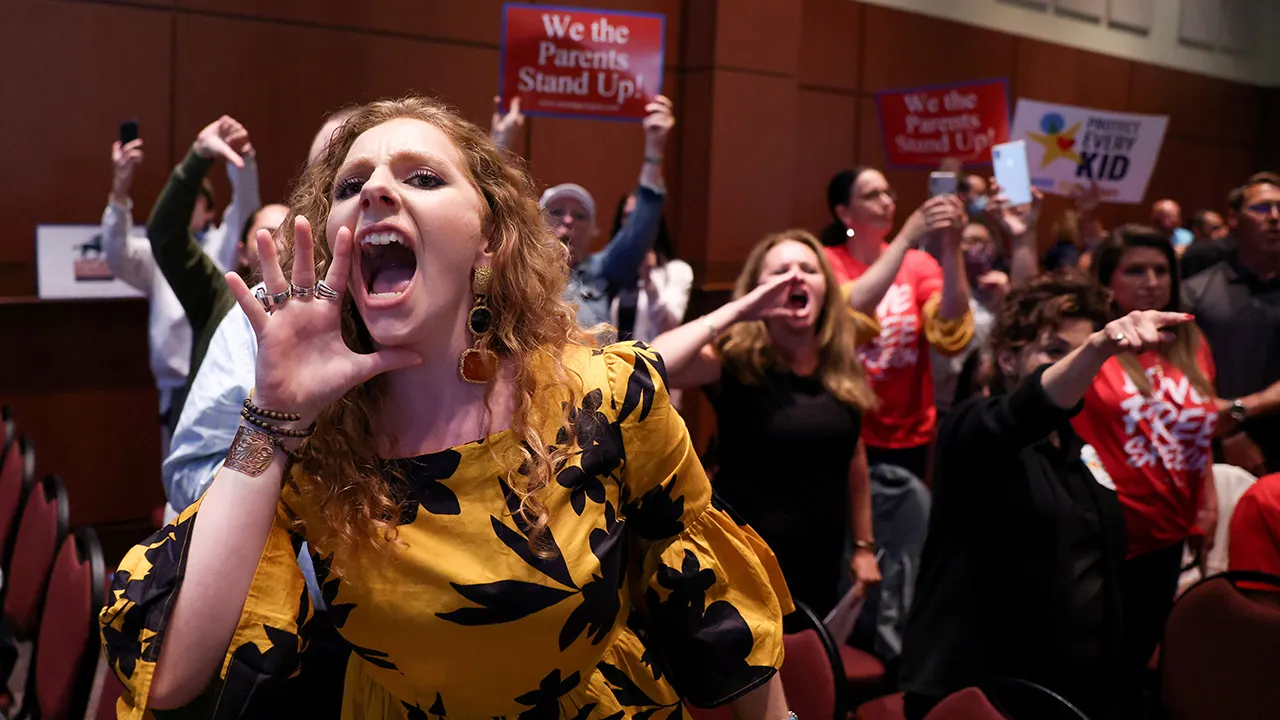
Concerns are also being raised about parental rights and the lack of transparency surrounding the implementation of these programs. Parents are often unaware that their children are being exposed to these controversial materials, and they may not have the opportunity to opt their children out of these lessons.
This situation underscores the need for greater accountability and transparency in education. Parents have a right to know what their children are being taught in schools, and they should have a say in the curriculum. The focus should be on providing a well-rounded education that equips students with the knowledge and skills they need to succeed, rather than promoting divisive ideologies.
The debate surrounding the SPLC's curriculum highlights the ongoing battle over the direction of education in America. Conservatives are increasingly concerned about the influence of 'woke' ideologies in schools, and they are advocating for a return to traditional values and a focus on academic excellence. The SPLC’s integration in schools should be examined by parents and schoolboards.
The situation demands that parents actively engage with their local school boards, demand curriculum transparency, and hold educators accountable for ensuring a balanced and unbiased education for all students. The future of our children and the integrity of our nation depend on it.